
Where the jungle meets the Pacific.
Santa Teresa sits at the southern tip of the Nicoya Peninsula, on a line of beaches from Mal País to Playa Hermosa. Expect dirt roads, howler monkeys at dawn and sunsets the whole town stops for. Cabo Blanco, Costa Rica's first nature reserve, is next door.
Life here is slow: surf early, eat well, go barefoot.
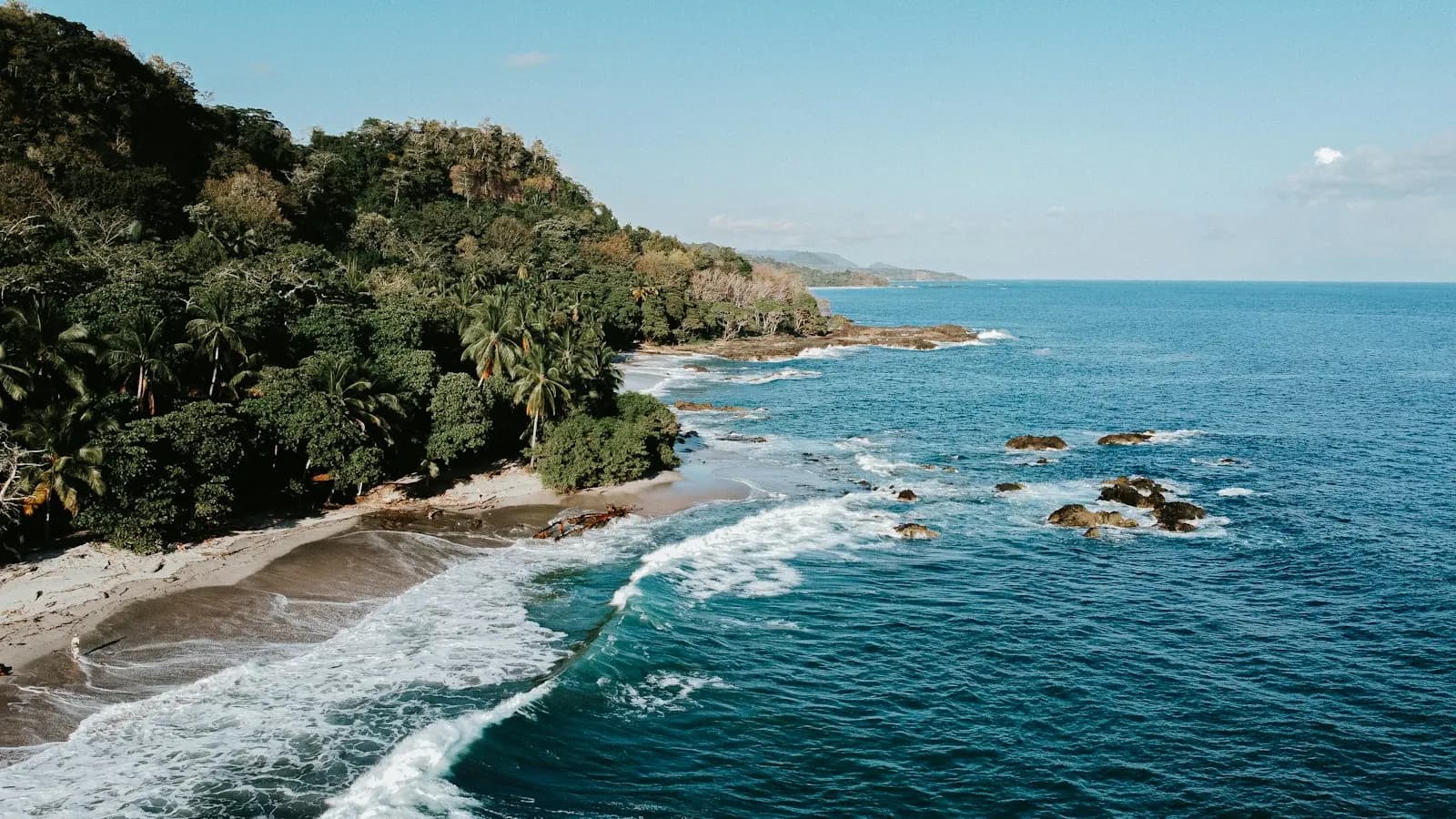 Beaches
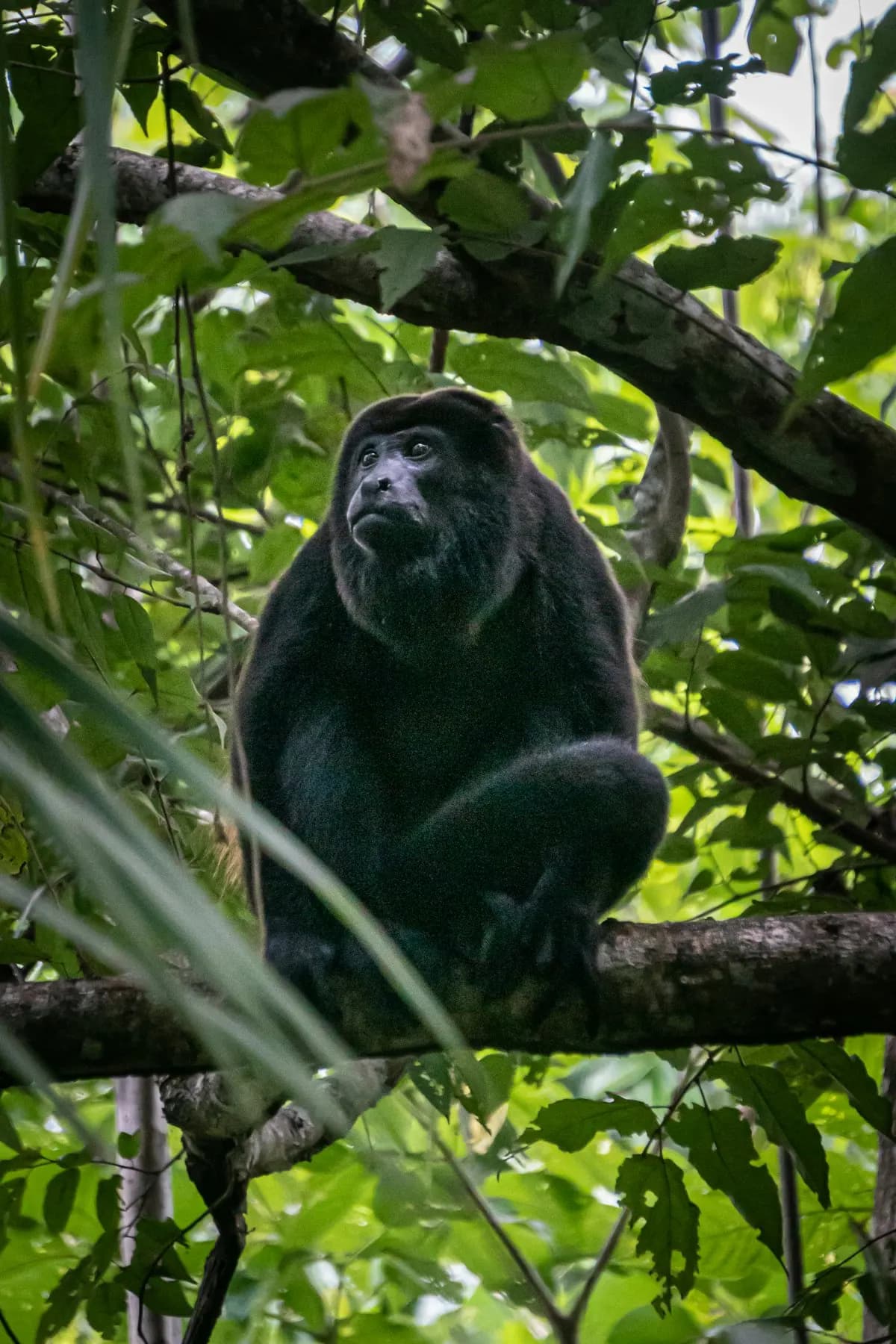 Wildlife
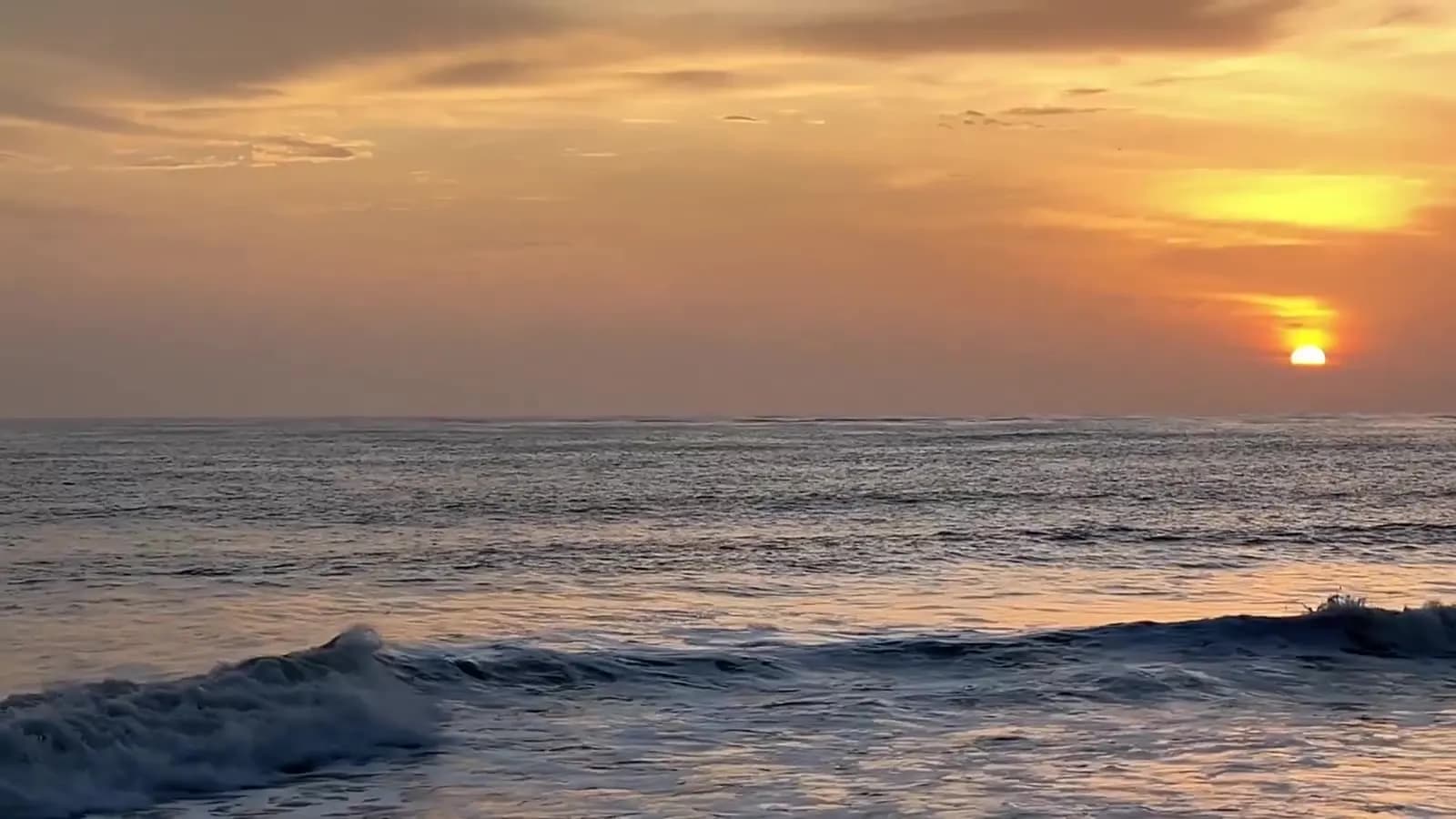 Sunsets
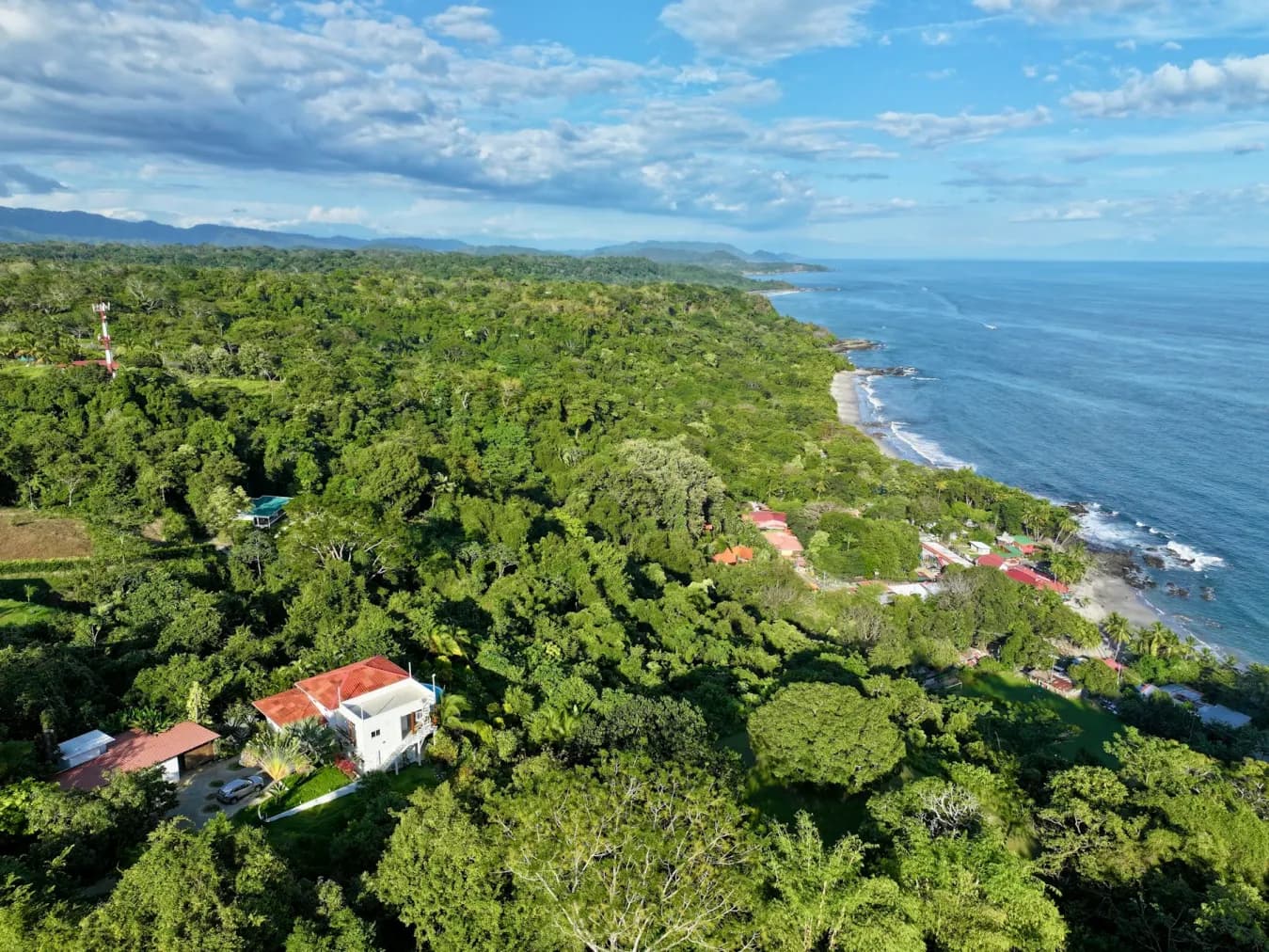 Jungle
The best beaches to surf.
There are waves all year and the water is 26 to 29 °C. Mornings are usually best, before the wind picks up. Pick a beach for your level. Choose a beach to find it on the map.
The place for your first sessions: friendlier peaks and plenty of surf schools. Good for longboards and lessons.
For confident surfers: punchy beach-break peaks along the main stretch. Busy and fun, best early.
North of town, for when you want room to breathe: consistent and less crowded. Long walks at low tide.
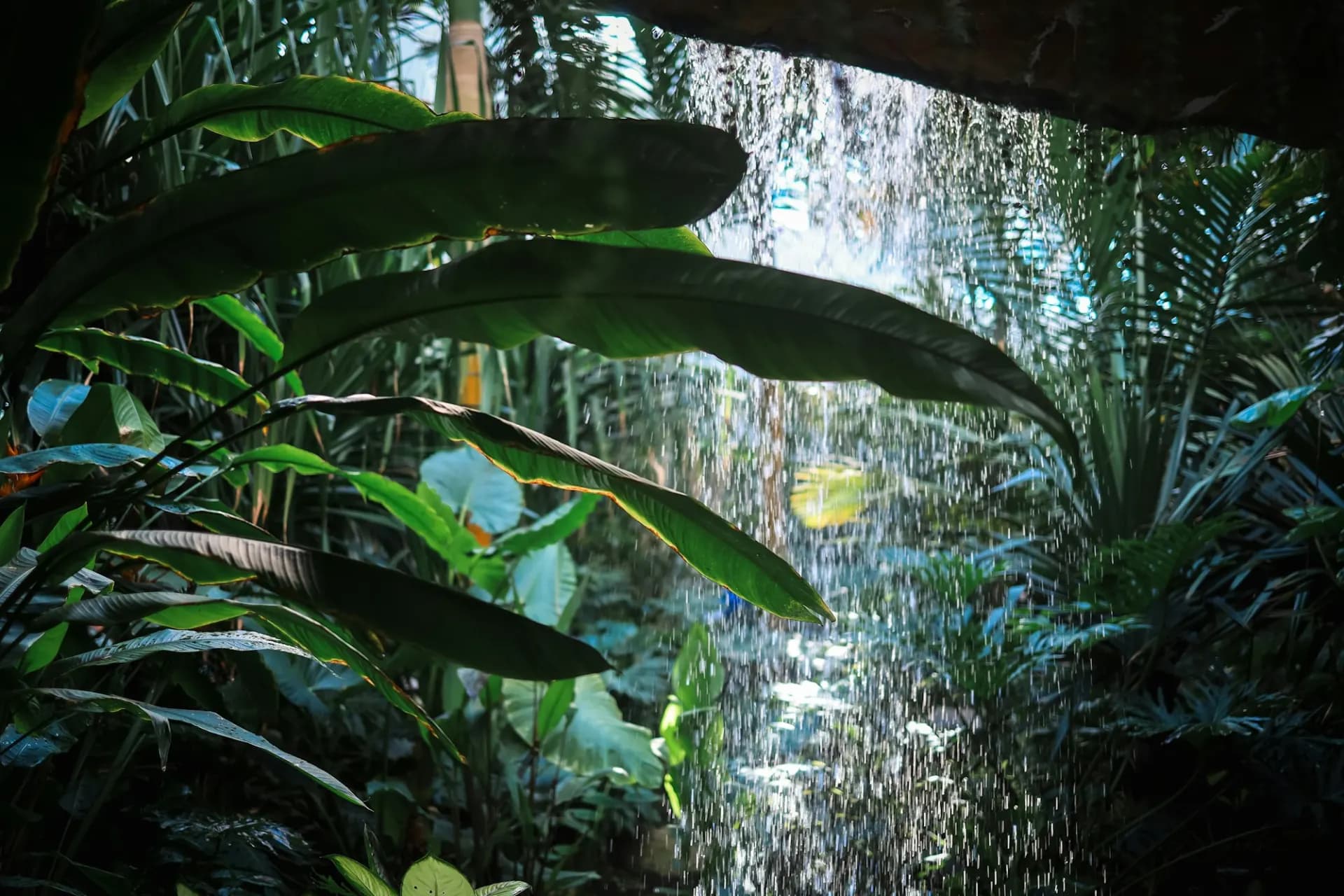
Help us take care of Santa Teresa.
Santa Teresa is still a small town in the jungle. These habits help keep it that way.
Don't feed the animals
Feeding wild animals is against the law in Costa Rica. Enjoy monkeys, coatis and iguanas from a distance.
Drive slowly
The dirt roads are shared with people on foot, dogs and wildlife. Take it easy, especially after dark.
Save water in the dry season
From December to May, water runs short in town. Short showers make a difference.
Leave the beach clean
Take your trash with you, and pick up one more piece if you see it.
Know before you go
The questions we get most. For anything else, message us and a real person will reply.
Getting here
Fly into San José (SJO) or Liberia (LIR). From San José, most people drive to Puntarenas and take the car ferry to Paquera, then continue south. A short domestic flight to Tambor cuts the trip to under an hour by road. We can arrange transfers.
Getting around
Town is one long road with dirt side streets. Many guests rent an ATV or a 4x4; walking and bikes work well if you stay near the beach. Expect dust in the dry season and mud in the green one.
Money
Costa Rican colones and US dollars are both widely accepted, and most places take cards. Carry some cash for small shops. ATMs can run low on busy holiday weekends.
Seasons
Dry season runs roughly December to April: sunny, busy, highest rates. Green season, May to November, brings afternoon rain, a greener jungle, bigger swell and lower prices. September and October are the wettest months.
Ocean safety
Rip currents are common and most beaches have no lifeguards. Swim near other people, ask locals about the tide, and keep to your level in the water. Your host can recommend a surf school.
Power and connection
Short power cuts happen, especially in the green season. Every home lists its internet speed. If you need to work, tell us and we will point you to the right house.
What to pack
Reef-safe sunscreen, insect repellent, a light rain jacket for the green season, sandals, a headlamp and a reusable water bottle.
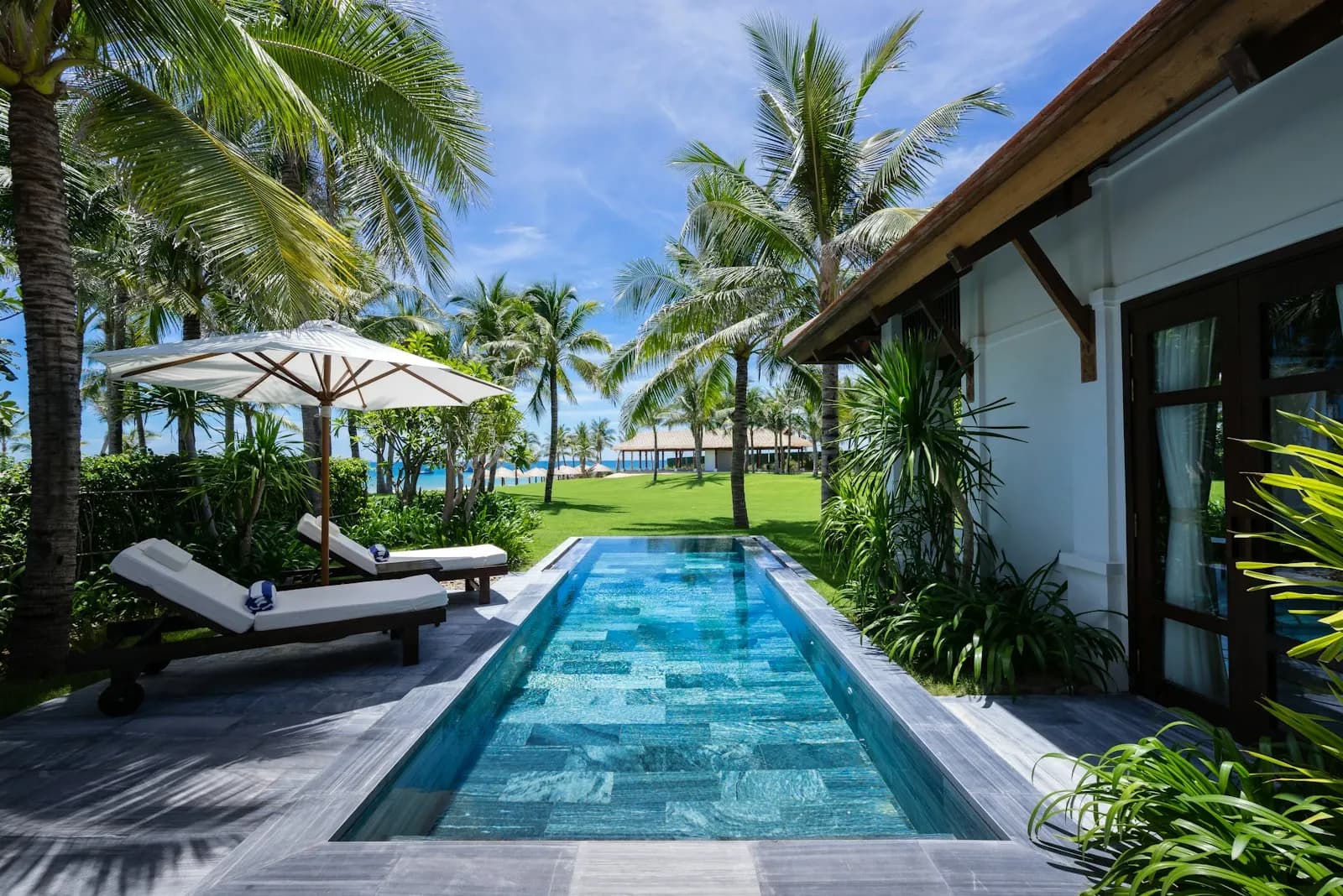
Host with us
Own a home in Costa Rica? We'll look after it like our own.
Clear reporting, careful upkeep and guests who are looked after from booking to checkout.